Disclosure: This article contains affiliate links. As an Amazon Associate and partner with other affiliate programs, we earn from qualifying purchases at no additional cost to you. We only recommend products we genuinely believe in. Learn more.
Iceland Travel Guide 2026: When to Go, What to See & How to Plan
Iceland is a land of geological superlatives: the world’s most active volcanic region, the most geysers per square kilometer on Earth, glaciers covering 11% of the country’s surface, and some of the most dramatic landscapes you’ll ever see. It’s also approachable, extremely well-organized for tourists, and English is widely spoken — which makes it a great destination even if you’ve never traveled independently before.
Here’s everything you need to know to plan a trip to Iceland in 2026.
Iceland at a Glance
| Capital | Reykjavík |
| Currency | Icelandic Króna (ISK). ~140 ISK to $1 USD |
| Language | Icelandic; English widely spoken |
| Drive on | Right |
| Visa | Schengen area — EU/US/UK/Canadian nationals don’t need one |
| Best entry point | Keflavík International Airport (KEF), 50km from Reykjavík |
When Is the Best Time to Visit Iceland?
There’s no wrong time to visit Iceland — just different experiences.
Summer (June–August) — Midnight Sun
- Pros: Midnight sun means 22–24 hours of usable daylight, all roads are accessible (including F-roads in the Highlands), waterfalls are at their highest flow, puffins are nesting, and weather is warmest (10–15°C)
- Cons: Most crowded, most expensive. Campsites and popular sites are packed.
- Best for: Hiking, road trips, outdoor adventure, driving Highland routes
Northern Lights Season (September–March) — Best for Aurora
- Pros: Northern Lights visible on clear nights, far fewer crowds than summer, significantly lower prices (especially October–November and January–February)
- Cons: Short daylight hours (4–5 hours in December), some Highland roads closed, weather is colder and less predictable
Best Northern Lights viewing months: September, October, February, March — long enough dark hours but not deep winter isolation
Shoulder Season (May, September) — Sweet Spot
May and September offer a genuine sweet spot: reasonable prices, moderate crowds, excellent weather, and long daylight without the midnight sun extremes.
How to See Iceland: Ring Road vs. Short Stay
Ring Road (Route 1) — 7–14 Days
The Ring Road (Route 1) is a 1,332km highway that circles the entire island. Driving it in full is the definitive Iceland experience — you’ll see every landscape the country offers, from the golden coast in the South to the dramatic fjords of the East and the whale-watching hub of the North.
Minimum time: 7 days (rushed). Ideal: 10–14 days.
- Clockwise in summer (you’ll always have daylight ahead of you)
- Start in Reykjavík, end in Reykjavík
- Campervans are extremely popular — Campervan Iceland and Kuku Campers are well-reviewed
South Iceland & the Golden Circle — 3–5 Days
If you have a shorter window, focus on the South Coast and Golden Circle:
- Golden Circle: Þingvellir (continental drift!), Geysir (active geyser), Gullfoss waterfall
- Seljalandsfoss — walk behind this waterfall
- Skógafoss — one of Iceland’s most photographed falls
- Reynisfjara — black sand beach with dramatic basalt columns (be extremely careful of sneaker waves)
- Glacier Hike on Sólheimajökull — guided hikes available year-round
- Jökulsárlón Glacier Lagoon — icebergs floating to sea, surreal
Reykjavík City Break — 2–3 Days
Reykjavík is one of the world’s northernmost capitals and more interesting than most people expect:
- Hallgrímskirkja church for panoramic city views
- Harpa Concert Hall — stunning harbour-front architecture
- Old Harbour area for whale-watching tours (minke, humpback, sometimes blue)
- Excellent restaurants: from traditional Icelandic lamb and hot dogs to world-class Nordic cuisine
Iceland’s Must-See Sights
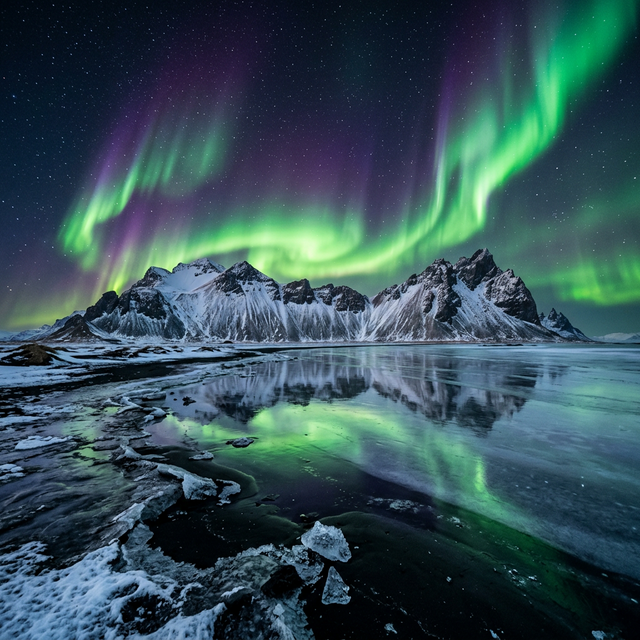
1. The Northern Lights (Aurora Borealis)
- Best away from city light pollution — drive 1 hour from Reykjavík
- Use the Vedur app for Iceland weather/aurora forecasts
- A clear night with KP index of 3+ is generally visible to the naked eye
- Hot tip: Soak in a hot pot under the aurora. Outdoor pools and guesthouses across Iceland make this possible.
2. The Blue Lagoon
Iceland’s most famous tourist attraction — a geothermal spa with milky-blue mineral water maintained at 37–39°C. Surrounded by lava fields, it’s genuinely stunning.
- Located right between the airport and Reykjavík — perfect for first or last day
- Book well in advance — this fills up months ahead
- Standard entry: ~$80–$130 depending on package
3. Þingvellir (Thingvellir) National Park
Where the North American and Eurasian tectonic plates are visibly splitting apart. You can snorkel or dive Silfra fissure — crystal-clear glacial water between two continents — one of the world’s top dive sites.
4. Vatnajökull Glacier
The largest glacier in Europe. You can snowmobile on it, take glacier hikes, or explore stunning ice caves beneath it (October–March only — ice caves are seasonal).
5. Landmannalaugur (Highlands)
A highland region with stunning multi-colored rhyolite mountains and natural hot springs you can soak in wild after hiking. Only accessible in summer with an F-road-capable 4WD vehicle.
6. Westfjords
The most remote and dramatic part of Iceland — enormous fjords, enormous cliffs, and almost no crowds. Dynjandi waterfall is one of Iceland’s most spectacular. Worth the extra driving time.
How Much Does Iceland Cost?
Iceland is expensive. Here’s a realistic budget:
| Category | Budget | Mid-Range | Luxury |
|---|---|---|---|
| Accommodation/night | Camping: $15–$40 | Guesthouse: $120–$200 | Hotel: $250–$600 |
| Food/day | $30–$50 | $70–$120 | $150–$250+ |
| Car rental/day | $60–$100 (small car) | $120–$200 (4WD) | $250+ |
| Fuel/day (driving) | $20–$40 | $40–$60 | — |
| Activities (avg) | $30–$80 | $80–$200 | — |
Realistic all-in budget for 7 days: $1,500–$2,500 (self-driving, mix of camping and guesthouses). Luxury trips can easily run $5,000–$8,000+.
Money-saving strategies:
- Cook your own food from supermarkets (Bónus is cheapest)
- Camp — Iceland has an excellent campsite network (~$12–$25/night)
- Book Blue Lagoon and popular tours well in advance for better pricing
- Travel in shoulder season (May or September)
- Use a campervann — combines accommodation and transport costs
Getting Around Iceland
Car rental is almost essential for anyone wanting to explore beyond the Golden Circle or a day tour from Reykjavík.
- For summer Ring Road trips: any 2WD car works on Route 1
- For Highland F-roads: 4WD is legally required and genuinely necessary
- Book car rental early — Iceland sees high demand and good vehicles sell out months in advance
Recommended rental platforms: Guide to Iceland, Cheap4WheelDrive, Blue Car Rental
FAQ
Q: Do I need a 4WD to drive in Iceland?
A: For Ring Road (Route 1) in summer: no, a 2WD is fine. For Highland F-roads: yes, 4WD is legally required. For winter driving: 4WD is strongly recommended.
Q: Can I see the Northern Lights from Reykjavík?
A: Sometimes, on very clear, dark nights. But light pollution makes it difficult. Driving 30–60 minutes out of the city dramatically improves your chances.
Q: Is Iceland expensive to visit?
A: Yes — it’s consistently ranked one of the world’s most expensive destinations. But it’s manageable: camping, supermarket shopping, and carpooling/shared tours can cut costs significantly.
Q: Is Iceland safe?
A: Extremely. Iceland has one of the lowest crime rates in the world. The main dangers are weather-related (volcanic activity, icy roads, unpredictable conditions). Always check weather forecasts (vedur.is) and road conditions (road.is) before driving.
Q: Do I need travel insurance for Iceland?
A: Strongly recommended. Iceland’s terrain invites adventure — glacier hikes, off-road hiking, waterfalls with strong currents. Medical evacuation from remote areas is extremely expensive without coverage.