Disclosure: This article contains affiliate links. As an Amazon Associate and partner with other affiliate programs, we earn from qualifying purchases at no additional cost to you. We only recommend products we genuinely believe in. Learn more.
How to Stay Safe While Traveling Abroad: 20 Essential Safety Tips
Travel safety isn’t about being paranoid — it’s about being prepared. The vast majority of international travel is completely safe, and the risks are almost always manageable with basic knowledge and awareness.
Here are 20 practical safety tips that experienced travelers use every day.
Before You Leave
1. Register with Your Government’s Traveler Registry
The US State Department offers STEP (Smart Traveler Enrollment Program) — a free service that registers your trip with the nearest US Embassy. If there’s a natural disaster, political crisis, or family emergency, the Embassy can reach you.
UK travelers: Register at FCDO Travel Advice. Australians: Smartraveller.
2. Check Travel Advisories
The US State Department rates every country from Level 1 (Exercise Normal Precautions) to Level 4 (Do Not Travel). Check your destination rating at travel.state.gov and read the specific advisories — they often contain specific neighborhood-level warnings that are invaluable.
3. Get Travel Insurance With Medical Coverage
The most financially catastrophic travel emergency is medical — and it’s the most common. A medical evacuation from a remote area or developing country can cost $50,000–$250,000. Travel insurance with emergency medical coverage eliminates this risk.
See our full guide: Travel Insurance: What You Actually Need
4. Make Copies of Critical Documents
Before leaving:
- Photograph your passport (data page and photo page) and save to cloud storage
- Photo your travel insurance card
- Email full scans to yourself and a trusted contact at home
- Note your embassy’s emergency phone number
If your passport is stolen, a photograph makes replacement dramatically faster.
5. Share Your Itinerary
Leave a detailed itinerary with someone you trust — accommodation names, addresses, and contact information for each destination. For solo travelers especially, this is essential. If something goes wrong, emergency contacts need to know where you were supposed to be.
Managing Money Safely
6. Use a Money Belt for Big Travel Days
Airport arrival days, long-distance bus rides, and crowded market visits are high-risk for pickpockets. A slim RFID-blocking money belt worn under your clothing for these moments keeps your passport, backup cash, and emergency card completely safe.
Don’t wear it all the time — just during vulnerable transit moments.
7. Carry Two Cards (Different Networks)
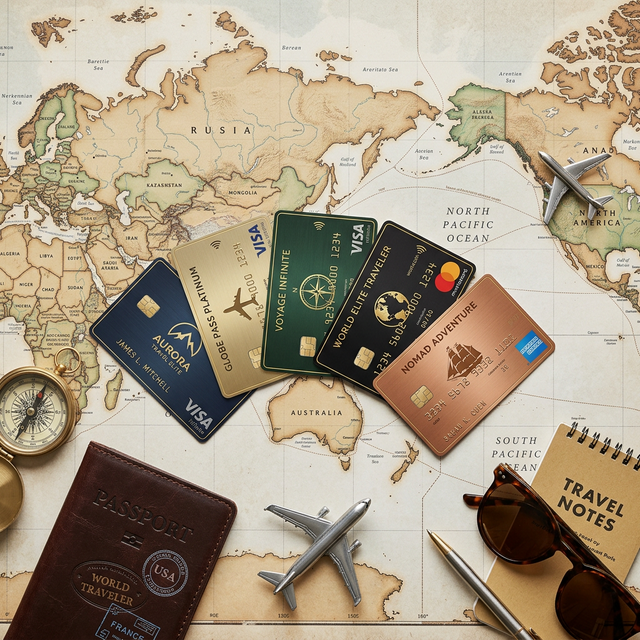
Never travel with only one payment card. If it’s blocked by fraud detection or an ATM skims it, you’re stranded. Carry:
- Your primary card (Visa or Mastercard)
- A backup on a different network, kept in a separate location from your main card
8. Use ATMs at Bank Branches, Not Street ATMs
Bank ATMs (inside or directly on the bank wall) are significantly lower risk for skimming than standalone ATMs in convenience stores or tourist areas. Always cover the keypad when entering your PIN.
9. Don’t Carry All Your Cash
Split cash across multiple locations: some in your wallet, some in your hotel safe, some in your money belt. If you’re robbed, losing your wallet doesn’t mean losing everything.
On the Ground
10. Use Uber/Grab/Bolt Instead of Hailing Taxis
Ride-hailing apps provide documented, accountable transportation. You know the driver’s name, the route is tracked, and payment is cashless. Unmetered taxis and unlicensed private drivers near airports and tourist areas are among the most common traveler scams worldwide.
Use Grab (Thailand, Vietnam, Indonesia, Philippines, Malaysia, Singapore), Bolt (most of Europe, Africa, Eastern Europe), inDrive (Latin America, Central Asia), or Uber wherever it operates.
11. Blend In — Don’t Advertise That You’re Wealthy
This doesn’t mean you can never be obviously a tourist. It means:
- Leave expensive jewelry at home
- Use a non-branded backpack rather than a luxury brand
- Keep phones out of sight when not actively using them
- Don’t flash large amounts of cash
12. Trust Your Gut
Every experienced traveler has a story about ignoring an uncomfortable feeling and paying for it. If a situation, location, or person gives you a bad feeling, leave. You don’t owe anyone an explanation for being cautious.
13. Be Careful with Social Media Geotagging
Posting your real-time location on social media broadcasts where you are and that you’re not home. Post photos after leaving a location, not in real time. Be cautious about broadcasting that your home is empty.
14. Lock Your Hotel Room and Use the Safe
Most hotel room thefts are opportunistic — an unlocked room while housekeeping is on the floor, a balcony door left open. Use the door chain at night. Put passport, backup cash, and extra cards in the hotel safe.
15. Watch Your Drink
In popular nightlife areas worldwide, drink spiking does occur. Never leave your drink unattended. Don’t accept drinks from strangers in bars or clubs. Know the signs: feeling dizzy, disoriented, or disproportionately drunk to how much you’ve had.
This applies to solo travelers of any gender.
Digital Security
16. Use a VPN on Public WiFi
Airport WiFi, hotel WiFi, and café hotspots are insecure networks. A VPN encrypts your traffic, protecting passwords, banking credentials, and personal data.
Best travel VPNs: NordVPN, ExpressVPN, Surfshark — any of the major providers. Many offer discounted annual plans.
17. Turn Off Automatic WiFi Connection
Phones set to auto-connect to any available WiFi can inadvertently join malicious networks. Turn off “auto-join” for WiFi in your settings, especially in airports and tourist areas.
18. Put a Lock on Your Phone
This seems obvious but is frequently forgotten. A 6-digit PIN (not a 4-digit one) or biometric lock means that even if your phone is stolen, thieves can’t access banking apps, email, and accounts.
Emergency Prep
19. Know the Local Emergency Numbers
911 works in the US. But internationally, it varies:
| Region | Police | Medical |
|---|---|---|
| Europe (most) | 112 | 112 |
| UK | 999 | 999 |
| Australia | 000 | 000 |
| Japan | 110 | 119 |
| India | 100 | 108 |
| South Africa | 10111 | 10177 |
Save these in your phone before landing.
20. Know Your Embassy’s Emergency Number
Your country’s embassy or consulate can help with lost passports, emergency repatriation, contact with local police, and emergency loans in extreme situations. Save the after-hours emergency number (not just the main line) before you travel.
FAQ
Q: Is solo female travel safe?
A: Many destinations are very safe for solo female travelers. Western Europe, Japan, New Zealand, Iceland, Thailand, and Bali are frequently cited as excellent for solo women. Basic precautions (not walking alone in unfamiliar areas at night, trusting your gut, sharing your itinerary) apply universally. Research your specific destination and connect with r/solotravel for first-hand accounts.
Q: What are the most common tourist scams?
A: Fake taxi drivers at airports, “the closed monument” scam (directing you away from a site to a relative’s shop), counterfeit money (check notes carefully), overpriced “official” tours, unsolicited help with luggage that leads to demands for payment.
Q: Should I carry a photocopy or digital copy of my passport?
A: Both, ideally. A photocopy stays in your bag as a backup. A digital copy in cloud storage (Google Photos, Dropbox) means you can access it from any device, anywhere.