Disclosure: This article contains affiliate links. As an Amazon Associate and partner with other affiliate programs, we earn from qualifying purchases at no additional cost to you. We only recommend products we genuinely believe in. Learn more.
25 Travel Tips for Beginners: What Every First-Time International Traveler Needs to Know
The first international trip is exciting and overwhelming in equal measure. Every experienced traveler has a collection of hard-learned lessons — this guide is mine, distilled into the tips that would have saved me the most stress, money, and time.
Before You Book
1. Get Your Passport Sorted First
Passport processing times vary from 6 weeks to 6 months depending on the season and service level. Check expiry — many countries require 6 months of validity beyond your travel dates. Apply (or renew) before you book anything non-refundable.
2. Use Google Flights for Flexible Date Searching
Google Flights’ “Explore” and “Flexible dates” features show you the cheapest days to fly your route. Shifting your flight by one day can save $50–200. Set price alerts and wait for drops.
3. Book Accommodation Strategically
Pre-book your first 1–2 nights at each destination — have a safe, confirmed place to go when you land. Leave the tail end flexible so you can extend if you love somewhere or move on if you don’t.
4. Get Travel Insurance (Non-Negotiable)
Medical emergencies abroad cost tens of thousands of dollars. A simple hospital visit in the US without insurance for a foreign tourist: $3,000+. Travel insurance from WorldNomads or SafetyWing runs $3–8/day and covers emergency medical, trip cancellation, and lost luggage. Get it.
5. Check Visa Requirements
Look up your destination’s entry requirements via IATA Travel Centre or your government’s travel advisory site. Some countries offer visa-on-arrival; others require applications weeks in advance. Getting this wrong means you can’t board.
Packing Smart
6. Pack Less Than You Think You Need
Every experienced traveler has this epiphany: you use 30% of what you pack. Lay everything out, then put half back. You can almost always buy what you forgot locally.
7. Carry-On Only When Possible
Checked bags add 45+ minutes on arrival, cost $30–60 each way on many airlines, and get lost. A 40L carry-on backpack handles trips of any length with proper packing.
8. Merino Wool Is Your Best Travel Fabric
Merino wool t-shirts and socks resist odor dramatically better than synthetic materials. One merino t-shirt worn 3 days in a row beats three synthetic t-shirts on long trips.
9. Roll, Don’t Fold — Or Use Packing Cubes
Rolling clothes tightly saves ~20% more space than folding. Packing cubes keep everything organized and make half-unpacked hotel living bearable. View packing cubes on Amazon →
10. Bring a Portable Battery Bank
A dead phone abroad is a genuine problem — no maps, no translation, no booking info. A 10,000–20,000mAh battery bank adds days of charge. View on Amazon →
Money
11. Tell Your Bank Before You Go
Call or use your bank’s app to set a travel notice for your destination(s) and dates. Otherwise, your first foreign purchase may trigger a fraud hold that locks your card — at the worst possible moment.
12. Get a No-Foreign-Fee Card
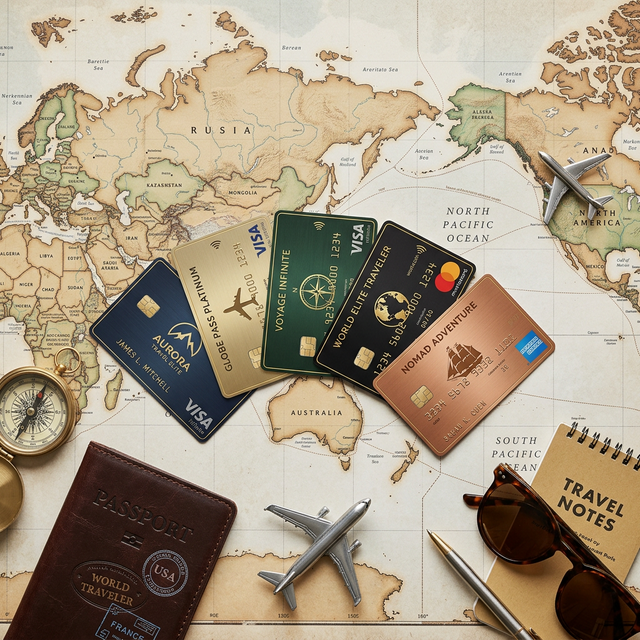
Most credit cards charge 1–3% on every foreign purchase. A Charles Schwab debit card or a Wise multi-currency card eliminates these fees and gives you the real exchange rate. Worth getting before your first trip.
13. Use Airport ATMs, Not Exchange Booths
Currency exchange kiosks at airports charge 10–15% fees. ATMs inside or just outside the airport dispense local currency at near-real exchange rates, with only your bank’s fee (~1–3%). Use ATMs from major banks, not standalone exchange machines.
14. Always Pay in Local Currency
When a card reader abroad asks “pay in USD or [local currency]?” — always choose local currency. Paying in USD triggers “Dynamic Currency Conversion” — a bank scam that gives you terrible exchange rates. Always local currency.
15. Keep Some Cash
Many smaller restaurants, markets, tuk-tuks, temples, and tips are cash-only everywhere in the world. Keep $30–50 equivalent in local currency at all times.
Safety & Health
16. Screenshot Everything Before Going Offline
Screenshot your hotel address in the local language, your confirmation numbers, flight details, and a local emergency number. Have these when you don’t have data.
17. Use VPN on Public WiFi
Airport, hotel, and café WiFi is often unsecured. Anyone on the same network can intercept your data. A VPN (NordVPN, ExpressVPN) encrypts your connection — particularly important for banking and email.
18. Register with Your Embassy
Most countries offer a free service to register your travel plans with the embassy. Costs nothing; helps in emergencies (natural disaster, civil unrest, medical).
19. Pack a Basic Medical Kit
Ibuprofen, Immodium, antihistamine, blister bandages, and any prescription medications with copies of your prescription. Stomach issues are common when you first change your food environment. Don’t be caught without Immodium.
20. Check Your Destination’s Health Requirements
Some countries require proof of yellow fever vaccination for entry (Uganda, some African nations). Some recommend malaria prophylaxis. Check CDC Travel Health Notices and your doctor 4–6 weeks before traveling to high-risk areas.
Getting Around
21. Download Google Maps Offline
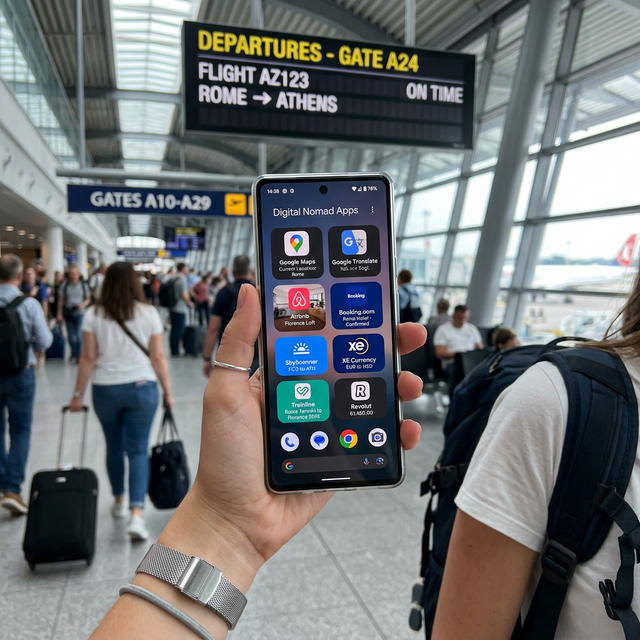
In Google Maps: search your destination city → tap the city name → “Download” → select area. You now have full maps that work without data. Game-changing for navigation in a new city without a SIM yet.
22. Get a Local SIM or eSIM
Buy a local SIM at the airport on arrival for $5–20. It gives you data for the whole trip without paying roaming. Alternatively, use Airalo for eSIM plans you can buy in advance from your phone.
23. Uber/Bolt/Grab Work Internationally
Uber operates in most major international cities. Bolt (cheaper than Uber) works across Europe and Africa. Grab covers Southeast Asia. These are dramatically safer and more transparent on price than street taxis. Download before you arrive.
24. Public Transit Is Almost Always Better Than Taxis
Major cities’ metro/subway systems are fast, cheap, and easy to navigate with Google Maps. An Oyster Card in London, an Octopus in Hong Kong, a Suica in Tokyo — tap-in transit is almost always the smartest way to move.
Mindset
25. Things Will Go Wrong — And That’s OK
Missed connections, lost reservations, stomach bugs, getting spectacularly lost — these happen to everyone. The measure of a traveler isn’t avoiding problems; it’s handling them calmly. Almost every “disaster” becomes a great story within 48 hours.
Travel slowly enough to absorb the unexpected. Most of the best experiences weren’t planned.
Beginner Gear Checklist
| Item | Why You Need It | Link |
|---|---|---|
| Travel backpack (40L) | Carry-on only travel | Amazon → |
| Packing cubes | Organization | Amazon → |
| Portable battery bank | Dead phone = big problems | Amazon → |
| Universal adapter | Power in any country | Amazon → |
| Travel pillow | Sleep on planes | Amazon → |
| Noise-canceling headphones | Sanity on long flights | Amazon → |
| RFID wallet | Card skimming protection | Amazon → |
| Travel insurance | Medical emergency protection | WorldNomads.com |
FAQ
Q: How much money should I budget for my first international trip?
Depends enormously on destination. Southeast Asia: $40–60/day all-in. Western Europe: $100–150/day. USA (for international visitors): $150–250/day. Add flights on top. Budget 10–15% extra for surprises.
Q: What’s the best first international destination for Americans?
Canada or Mexico if you want easy; Portugal, Ireland, or the UK if you want European but English-friendly; Japan if you want to be blown away with a completely different culture that’s also extraordinarily safe.
Q: How far in advance should I book my first international trip?
Flights: 2–4 months ahead for best prices. Accommodation: 4–8 weeks ahead. For peak travel periods (summer, Christmas), 6+ months for flights.

Senior Travel Writer & Gear Expert
Sarah has been traveling and writing about it for 12 years, visiting 60+ countries across 6 continents. A former Lonely Planet contributor, she specializes in budget travel, solo female travel, and Southeast Asia. She tests every piece of gear personally before recommending it.
Join the Conversation