Disclosure: This article contains affiliate links. As an Amazon Associate and partner with other affiliate programs, we earn from qualifying purchases at no additional cost to you. We only recommend products we genuinely believe in. Learn more.
Weekend Trip Packing Guide: The 2-Bag System That Fits Any Getaway
Weekend packing fails in a specific way. Not because two days needs more gear than a two-week trip, but because a short trip gets packed like a long one: the full toiletry kit, four “options,” shoes for every hypothetical. Then the bag that was supposed to make the getaway easy becomes a checked bag for 48 hours away.
This desk has written the long versions already. How to pack light with carry-on only handles the airline-box math for big trips, and the two-week packing guide handles laundry cycles. A weekend is a different problem. Two days compresses everything: the packing window the night before, the transit window on either end, and the margin for error if a flight cancels or a bag goes astray.
The system below gets a weekend getaway into one carry-on-sized bag, or a large personal item when the trip is flight-based and you pack hard enough. It has three parts: the 2-bag split, wear-versus-pack decisions, and the liquids rule that decides what toiletries can come at all.
The 2-bag system: one bag in transit, one bag of clothes
Two bags, two jobs.
Bag one is the transit bag. A backpack or soft duffel in the 25 to 35 liter range. It carries everything and it is the only thing an airline counts. For road trips the size stops mattering; the trunk does not charge by the liter.
Bag two is an organizer, not luggage. A packing cube set or a compression cube inside bag one, or a separate tote for clothes if you are driving. Its job is separation: clean clothes away from shoes, toiletries sealed away from everything fabric, chargers in one place you can find in the dark.
The split matters most in transit. At a hotel desk at 11 p.m., you want the charger and the wash kit in one pocket, not buried. On a packed train from the airport, one zippered cube means the clean layer never touches the seat. And if you check the main bag on a full flight (more on when to do that below), the cube logic still works: the personal item keeps what the trip cannot lose.
A packing cube set earns its cost on exactly this kind of trip, and a hanging toiletry bag solves the sink problem: hang it, and the kit is out of the way in a room that may have one outlet and no counter space.
Wear versus pack: the decision that sets the bag size
The heaviest and bulkiest items you own are exactly the ones a weekend does not need in the bag. Wear them on travel day.
- Heaviest shoes (boots, sneakers with chunky soles): worn, never packed. Shoes are the single worst space-per-use item in a weekend bag.
- Heaviest layer (jacket, fleece, blazer): worn in transit. It is also the item you want when the plane or the rental car runs cold.
- Jeans or heavy trousers: worn on travel day, packed never. Two days does not need two pairs of jeans.
- Bulkiest toiletries: not worn, but transferred to solids or left home (next section).
The wear-versus-pack rule generalizes: anything you would wear on the trip anyway goes on your body, and the bag holds only what would be uncomfortable to wear for the transit window. That single decision usually cuts a weekend load by a third. The carry-on-only math works the same way at bigger scale: published box and weight cap first, then wardrobe.
The clothes load: three outfits, one spare
A weekend needs fewer clothes than most people pack. The load this desk uses:
- Two daytime outfits (top, bottom, underwear, socks each)
- One evening or dinner option, which can share the bottoms
- One spare shirt, because spills and surprise rain do not check itineraries
- Sleepwear, compressed to a single cube
- One extra layer beyond the one you are wearing
That is it. Three outfits plus a spare covers a Friday-evening-to-Sunday-afternoon trip. One color family makes it work: two tops and two bottoms that all mix means a spilled dinner does not force a specific backup into play. Choose fabrics that survive a hand-wash in the hotel sink if there is any chance of a third day, and the two-week guide’s sink-wash notes apply word for word.
What stays home: a second pair of jeans, “just in case” outfits, gym clothes unless the itinerary has a gym in it, and a third shoe. If a weekend plan genuinely needs dress shoes and trail shoes, wear one pair and pack the other flat, soles washed or wiped, in a shoe bag away from clothing.
Toiletries under the flight liquids rule
The liquids rule is the hard constraint on any flown weekend, and it is worth getting exactly right because the checkpoint enforces it without negotiation.
Current TSA guidance for carry-on bags: each container must be 100 ml (3.4 ounces) or smaller, all liquid containers must fit in one quart-size bag, and one bag per passenger. Larger containers, even mostly full ones that seem obviously fine, go in checked luggage. Full TSA guidance lives on tsa.gov — read it before you fly rather than taking this desk’s word, because airline-side and country-side rules can differ and the details change more often than you would think.
The desk workaround is to need fewer liquids, not smaller bottles:
- Bar shampoo and bar soap: not counted as liquids, and a weekend uses a sliver of a bar.
- Stick deodorant: solids do not go in the quart bag.
- Toothpaste tablets or a small tube under 100 ml: the tube wins on familiarity, the tablets win on checkpoint indifference.
- Sunscreen stick over spray or lotion in summer months.
- Contact solution: the medically-necessary exception exists, but declare it at the checkpoint rather than assuming it.
One quart bag, half full, is a realistic weekend target. A hanging kit keeps it together at the hotel end. Prescription medication goes in original packaging in the personal item, never in a bag that could be checked or left in a car.
Flight vs road trip: how the bag changes
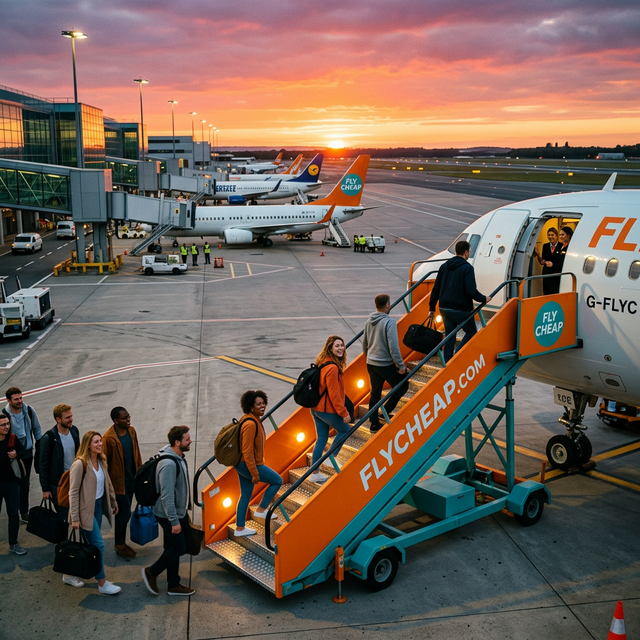
Flown weekends. The bag target is carry-on size at most. Budget and regional carriers charge for both carry-on and personal item on basic fares, so check the fare rules before you pack around a “free” bag that is not free on your ticket. If the flight is full and gate-checking looks likely, keep meds, documents, one outfit, and chargers in the personal item. That is the whole weekend if the main bag rides late.
A soft bag beats a hard case for a weekend. It squeezes into oversize bins, it slacks into a train rack, and it does not announce itself as luggage when you are storing it at a restaurant or a hotel desk before check-in.
Driven weekends. Size pressure drops but the 2-bag logic stays. One bag that goes into the room in a single trip, one organizer layer, cooler and shared gear staying in the car. The road trip essentials checklist covers what stays in the vehicle; the weekend bag should still be packed as if the walk from the parking garage were long, because at some hotel it will be.
The one-bag upgrade: when a weekend fits in a personal item
If the trip is flown, the fare has no free carry-on, and you can hold to the clothes load above, a 20 to 30 liter backpack fits a weekend. The recipe: wear everything heavy, solids for toiletries, two outfits plus spare in one compression cube, a pair of flats or thin sneakers packed flat, phone-and-docs pocket on top.
The failure mode is a return flight with a full overhead bin and a bag that is a inch too tall for the sizer. Soft bags, packed at 80 percent, survive gate agents. Rigid full-to-the-zip bags do not. If the trip has a formal event, a newborn, or gear-intensive plans, buy the carry-on allotment instead; the personal-item weekend is a style of trip, not a rule of travel.
What this desk leaves home on every weekend trip
- Hair tools beyond one item. Pick the dryer or the iron, not both. Hotels supply a dryer more often than not.
- More than two books or devices. A weekend has maybe four idle hours in it.
- Full-size anything in the wash kit. Under the liquid rule it cannot fly anyway.
- Umbrella in dry-season destinations. Check the forecast and decide once, not twice.
- Travel pillows for flights under three hours. Wear the fleece and lean on the window.
- A second bag “for day trips.” The transit bag’s front pocket does that job.
Weekend packing checklist (condensed)
In the transit bag
- Two daytime outfits + spare shirt + evening layer
- Sleepwear cube
- Packed shoes in a bag, worn shoes on your feet
- Quart bag of 100 ml-max toiletries, or solid kit
- Chargers, adapters, power bank
- Documents: ID, booking confirmations, insurance card
- Empty tote for the trip home (souvenirs, dirty clothes)
Worn on travel day
- Heaviest shoes, heaviest jacket, jeans
- One outfit’s worth of clothing
Before you zip
- Check fare rules: is the carry-on actually free on this ticket
- Forecast checked once, layers chosen against it
- Medications in original packaging, in the personal item
- One quart bag assembled if flying
FAQ
What should I pack for a 2 day trip?
Two outfits plus one spare, sleepwear, toiletries, chargers, and whatever documents the trip needs. The 2-bag system covers it: one bag that works in transit and one organizer bag for clothes and shoes. Wear your heaviest items on travel day and a weekend fits in a bag that fits under the seat.
Can a weekend trip fit in a personal item?
Often yes. A 20 to 30 liter backpack holds two outfits, sleepwear, flat toiletries, and one packed pair of shoes. The binding constraint on a flown weekend is the liquids rule: containers over 100 ml cannot ride in a carry-on at all, so personal-item weekends run on solid toiletries and travel sizes.
How do I pack toiletries for a weekend flight?
Every container at 100 ml or less, all of them inside one quart-size bag, out of your bag at security. Solid swaps shrink the problem: bar shampoo, stick deodorant, sunscreen sticks, toothpaste tablets. Full-size bottles cannot ride in carry-on luggage, and the checkpoint will take them.
How many outfits do I need for a weekend getaway?
Two daytime outfits plus one evening option that can share bottoms, and one spare shirt. One color family means everything mixes. Wear the heaviest shoes and jacket; pack one pair of shoes flat.
What do people always overpack for a weekend?
Shoes beyond two pairs, backup outfits that never get worn, full-size toiletries that cannot fly in carry-on anyway, and more entertainment than the trip has idle hours for.
This is a research-based checklist from the Best Travel Guides editorial desk, written from published airline rules and TSA guidance rather than a single person’s trip diary. Fare rules and security rules change; check your ticket and tsa.gov before you fly.

Editorial Team
The Best Travel Guides editorial crew writes every guide on this site under a team byline. Recommendations come from comparing product specs side by side, digging through traveler communities like r/onebag, r/travel, and r/WaltDisneyWorld, and weighing large volumes of verified user reviews. When we cite prices or policies, we link to the official source.
Join the Conversation