Disclosure: This article contains affiliate links. As an Amazon Associate and partner with other affiliate programs, we earn from qualifying purchases at no additional cost to you. We only recommend products we genuinely believe in. Learn more.
Tokyo Travel Guide 2026: When to Go, What to Do & How to Get Around
Tokyo is unlike any other city on Earth. It’s one of the world’s largest metropolises — 14 million people in the city proper, 37 million in the greater metropolitan area — yet it feels organized, quiet, and extraordinarily safe. Crime is almost nonexistent. Trains run to the second. The food is some of the best you’ll ever eat in your life.
Whether you’re visiting for cherry blossom season, autumn leaves, or anytime in between, Tokyo delivers.
When to Visit Tokyo
| Season | Months | Weather | What’s Happening |
|---|---|---|---|
| Spring ⭐⭐⭐⭐⭐ | Mar–May | 10–22°C | Cherry blossoms (late Mar–early Apr) |
| Early Summer | Jun | 20–27°C | Green foliage, pre-rain season |
| Rainy Season | Late Jun–Jul | 23–29°C | Humid, frequent rain — avoid |
| Summer | Aug | 28–35°C+ | Hot, humid — festivals, quieter |
| Autumn ⭐⭐⭐⭐⭐ | Sep–Nov | 12–24°C | Fall foliage, cooler weather |
| Winter | Dec–Feb | 2–12°C | Cool, dry, clear skies, fewer tourists |
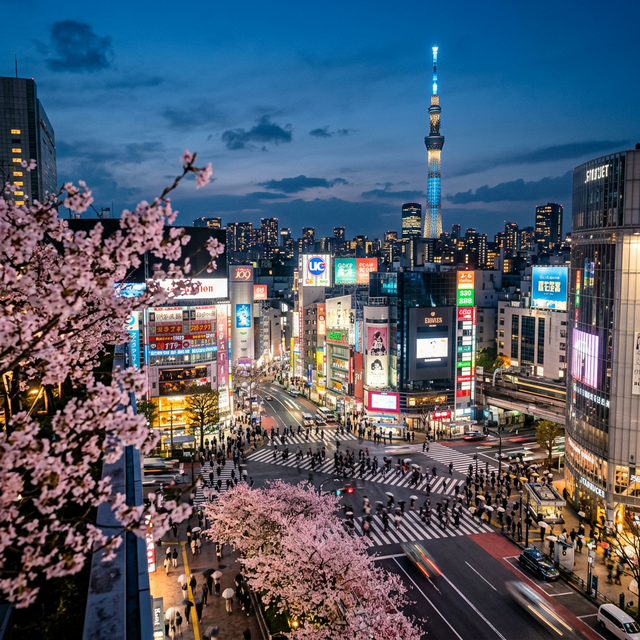
Best overall time: Late March–early April for cherry blossoms (book 12+ months ahead — accommodation sells out). Second-best: November for autumn foliage with fewer crowds.
Getting to Tokyo
From North America: 10–14 hours direct. United, ANA, and JAL fly direct from NYC, LA, Chicago, SFO.
From Europe: 11–13 hours. British Airways (Heathrow), Lufthansa, ANA, and JAL operate direct services.
Arriving at Tokyo’s airports:
- Narita (NRT): 60–90 min from central Tokyo. Narita Express (N’EX) ~¥3,070 to Shinjuku, ~55 min.
- Haneda (HND): 30–45 min from city center. Cheaper and more convenient — if you can fly into Haneda, do. Keikyu Line to Shinagawa: ¥410, 28 min.
Getting Around Tokyo
IC Card (Suica or Pasmo) — Essential
Get an IC card at any station. It works on virtually all trains, buses, and even convenience stores and vending machines. Load it with cash and tap in/out. You’ll never need to buy individual tickets.
| From | To | Method | Time | Cost |
|---|---|---|---|---|
| Shinjuku | Shibuya | Yamanote Line | 6 min | ¥160 |
| Shinjuku | Akihabara | Chuo/Sobu Line | 25 min | ¥220 |
| Shibuya | Harajuku | Yamanote Line | 2 min | ¥160 |
| Tokyo Station | Asakusa | Ginza Metro | 25 min | ¥210 |
JR Pass
Buy a 7 or 14-day JR Pass if you’re traveling beyond Tokyo. It covers bullet trains (Shinkansen) to Kyoto, Osaka, Hiroshima — exceptional value if you’re doing a wider Japan trip.
Taxis
Expensive but clean and honest. Use for late-night trips when trains stop (around midnight). Apps: DiDi or JapanTaxi work with non-Japanese credit cards.
Best Neighborhoods
Shinjuku
Tokyo’s entertainment capital. The east side has Kabukicho (the famous entertainment district), department stores, and Omoide Yokocho (“Memory Lane”) — a tiny alley of yakitori restaurants. The west side has skyscraper offices and the free Tokyo Metropolitan Government Building observation deck.
Shibuya
Home to the world’s busiest pedestrian crossing. Above the crossing: Hachiko Square (where everyone photographs the famous dog statue), the Shibuya Sky observation deck, and youth fashion shopping.
Asakusa
Old Tokyo. Senso-ji temple — Tokyo’s oldest Buddhist temple — is the must-visit landmark. The surrounding Nakamise shopping street sells traditional sweets and souvenirs. The area around the temple feels like a different era.
Harajuku
Takeshita Street: wild teenage street fashion. Omotesando: Tokyo’s version of Fifth Avenue — high fashion, flagship stores, and the beautiful Omotesando Zelkova-lined boulevard.
Akihabara
Electronics, anime, manga, and gaming culture. Even if you’re not an otaku, the energy is fascinating and authentic.
Yanaka
Old-school Tokyo neighborhood that survived WWII bombing — traditional wooden houses, small shrines, independent shops, and cats everywhere. Go on a Sunday for the slow weekend market feel.
Must-See Attractions
| Attraction | Neighborhood | Cost | Notes |
|---|---|---|---|
| Senso-ji Temple | Asakusa | Free | Open 24/7. Best at dawn |
| Shibuya Crossing | Shibuya | Free | Go at rush hour |
| Meiji Shrine | Harajuku | Free | Peaceful forested walk |
| TeamLab Planets | Toyosu | ¥3,200 | Book online weeks ahead |
| Tokyo Skytree | Asakusa | ¥1,000–2,700 | Best panorama views |
| Shinjuku Gyoen | Shinjuku | ¥500 | Best cherry blossom garden |
| Tsukiji Outer Market | Tsukiji | Free entry | Best sushi breakfast in world |
Food: What to Eat in Tokyo
Tokyo has more Michelin stars than any other city on Earth. But you don’t need a reservation at a fancy restaurant to eat extraordinarily.
Must-eat:
- Ramen — Every region has its style. Tokyo-style is soy-based, lighter broth. Try Ichiran for the solo-booth experience.
- Sushi — Affordable at standing sushi bars (kaiten-zushi/conveyor belt); ¥1,000–2,500 for a full meal.
- Yakitori — Grilled chicken skewers in Omoide Yokocho (Shinjuku) or Yurakucho.
- Tempura — Best in the world. Try Tempura Kondo (requires reservation) or any basement restaurant in a department store.
- Convenience store food — 7-Eleven, FamilyMart, and Lawson in Japan sell genuinely good food: onigiri, sandwiches, hot foods, matcha pastries.
Day Trips from Tokyo
| Destination | Travel Time | Go For |
|---|---|---|
| Nikko | 2 hours (train) | Elaborate shrines, forested mountain setting |
| Kamakura | 1 hour (train) | Giant Buddha, Zen temples, beach town |
| Hakone | 1.5 hours (train) | Mt. Fuji views, onsen (hot springs), ryokan |
| Kyoto | 2h15m (Shinkansen) | Traditional Japan, geisha districts, temples |
Budget Guide
| Category | Budget | Mid-Range | Splurge |
|---|---|---|---|
| Accommodation/night | $35–60 (hostel/capsule) | $100–200 (hotel) | $300–1,000+ (ryokan) |
| Meals/day | $20–30 | $40–60 | $100+ |
| Transport/day | $8–12 | $12–20 | Taxi-dependent |
| Attractions | $0–15 | $20–50 | TeamLab + Skytree |
Total daily budget: $65–100 (budget traveler) to $200+ (mid-range)
FAQ
Q: Do I need to speak Japanese to visit Tokyo?
A: No. Major tourist areas, restaurants, and transportation have English signs. Google Translate’s camera feature handles menus. Most younger staff in tourist areas speak basic English.
Q: Is Tokyo safe?
A: Exceptionally so — it’s consistently rated among the safest major cities in the world. Theft, violent crime, and scams targeting tourists are extremely rare.
Q: What’s the best way to get a SIM or pocket WiFi?
A: Buy a tourist SIM at the airport on arrival (IIJmio, Mobal, or SoftBank visitor SIM). Pocket WiFi rentals also work at airport kiosks. Japan requires data SIMs — making calls requires a different plan or using internet calling apps.
Q: Can I use credit cards in Tokyo?
A: Increasingly yes in tourist areas, but Japan is still more cash-heavy than Western countries. Small restaurants, shrines, and traditional establishments often cash-only. Carry ¥10,000–20,000 (about $65–130) in cash; ATMs at 7-Eleven conveniently accept foreign cards.