Disclosure: This article contains affiliate links. As an Amazon Associate and partner with other affiliate programs, we earn from qualifying purchases at no additional cost to you. We only recommend products we genuinely believe in. Learn more.
Is It Safe to Travel Internationally in 2026? A Realistic Assessment
The unique job of a “is it safe” page is not a yes/no for the planet. It is the State 4-level advisory for this ticket — including transit — versus a Global Peace Index trophy or an invented arrivals total.
This desk does not invent a 2026 tourist-arrival number, a “safer than a Saturday highway” line, or a crime percentage for your Tuesday. The notes below come from the State travel advisories, country information pages, STEP, and CDC Travelers’ Health. Those pages move. Open them the week you pay.
Solo city logistics live on best solo travel destinations. First-night habits for women are solo travel for women. Daily burn after the fare is cheapest places to travel internationally. The carrier PDF is budget airlines. Payment vs distraction after landing is travel scams.
Unique angle: this ticket’s advisory vs a world ranking
Listicles flatten “the world is safe / the world is on fire.” The useful product is one country page.
The level. State publishes four levels: 1 Exercise normal precautions; 2 Exercise increased caution; 3 Reconsider travel; 4 Do not travel. Levels 1–2 are reviewed about every 12 months; 3–4 at least every 6 months, and sooner when conditions change. A Level 2 is not a skip by itself — France and other busy destinations have sat at 2 for years over terrorism or crime language. Read the text, including cities or states called out separately.
The indicators. Advisories flag unrest, crime, terrorism, kidnapping, health, wrongful detention, natural disaster. Those letters are the job. A peace-index rank without the indicator list is a vibe.
Health is a second page. CDC destination pages and Travel Health Notices are not the same as a State crime paragraph. Vaccines, malaria, and yellow-fever entry rules live there. CDC says see a clinician 4–6 weeks out. This article is informational. It is not medical advice.
When to skip this essay: you already have the advisory and the CDC page open for the country on the ticket; you only needed the scams first-hour file or the insurance certificate; the trip is domestic. Close the tab.
Listing check: advisory level and date issued, regional exceptions, CDC destination vaccines/notices, embassy phone, STEP enrollment, insurance PDF.
Before you book
- Open the advisory for the destination and any connection country.
- Read the country information page, not only the color on the map.
- Open the CDC destination page. Book a clinic visit if vaccines or malaria meds are in play.
- Enroll the itinerary in STEP. Free.
- Save the embassy or consulate phone offline.
- Price travel insurance after the ticket exists. Waiver clocks are in the policy.
- Confirm data at the curb: eSIM vs a home-plan PDF.
Hubs: blog index, flights, packing-list generator.
What the four levels actually say
State’s own words, shortened:
- Exercise normal precautions. Lowest published level. “Some risk in any international travel.”
- Exercise increased caution. Specific risks are in the advisory. Do not stop at the number.
- Reconsider travel. Serious safety or security risks. The trip has to be worth that text.
- Do not travel. Life-threatening risks. Limited U.S. government help. Leave when it is safe if you are already there.
A blog “Tier 1 safest countries” table is not a State product. Iceland, Japan, Singapore, New Zealand, and several European countries often show up on published peace indexes and traveler threads as low-crime, high-infrastructure places. That is a research snapshot, not a desk trophy and not a reason to skip the advisory for your dates.
Same for “Tier 2.” South Korea, Taiwan, Canada, Australia, Czechia, Slovenia, Oman — community and index chatter is not a substitute for the country page, including weather, wildlife, or regional crime notes.
Conflict headlines vs your itinerary
Regional wars and Level 4 pages are real. They are also not most tourist tickets.
This desk does not maintain a live conflict map. If the advisory is Level 4, or the country page says do not travel to a border oblast you planned to “just see,” skip. If the headline is about a region you are not entering, read whether the country-level text still applies to your city.
Examples travelers keep mixing up: a Sahel advisory is not a Marrakech skip by itself; a Ukraine Level 4 is not a Lisbon skip. The page for the place on the ticket is the product.
Health, weather, and roads — the boring risks
CDC Travelers’ Health and State country pages keep repeating the same unglamorous list: road crashes, food and water illness, heat, and petty theft near crowds. Terrorism and kidnapping get the airtime. They are not the usual trip-breaker on a Level 1–2 city stay.
Health. Routine vaccines, plus destination shots. Yellow fever is an entry stamp in some countries and a CDC recommendation in others — those two lists differ. Malaria is a region inside a country, not a passport stamp. Open the CDC page. Ask a clinician.
Weather. Hurricane season, monsoon, wildfire smoke, and earthquake zones are published seasonal facts, not a 2026 invention. Check the window before you lock a non-refundable hut.
Roads. If the plan is a night bus or a rented scooter, the advisory’s crime line is not your main risk. Helmet and daylight are.
STEP, embassy, insurance — the paper that matters
STEP puts your itinerary on file so the embassy can send alerts and reach you. It does not make a city safe. It is free and takes a few minutes.
Embassy replacement of a stolen passport is a process, not a same-hour miracle. Copies of the bio page in email and offline photos are the cheap backup.
Insurance: State says buy travel health cover before you go. Evacuation is a separate line item on many certificates. Cards are a Guide-to-Benefits PDF. Travel insurance is the sibling. This desk does not invent a six-figure hospital bill for your destination.
On the ground, without a gadget trophy
First hour after immigration: official taxi rank or a ride-hail pin you already mapped, an ATM you chose, data that works. That file is scams and safety for first-timers.
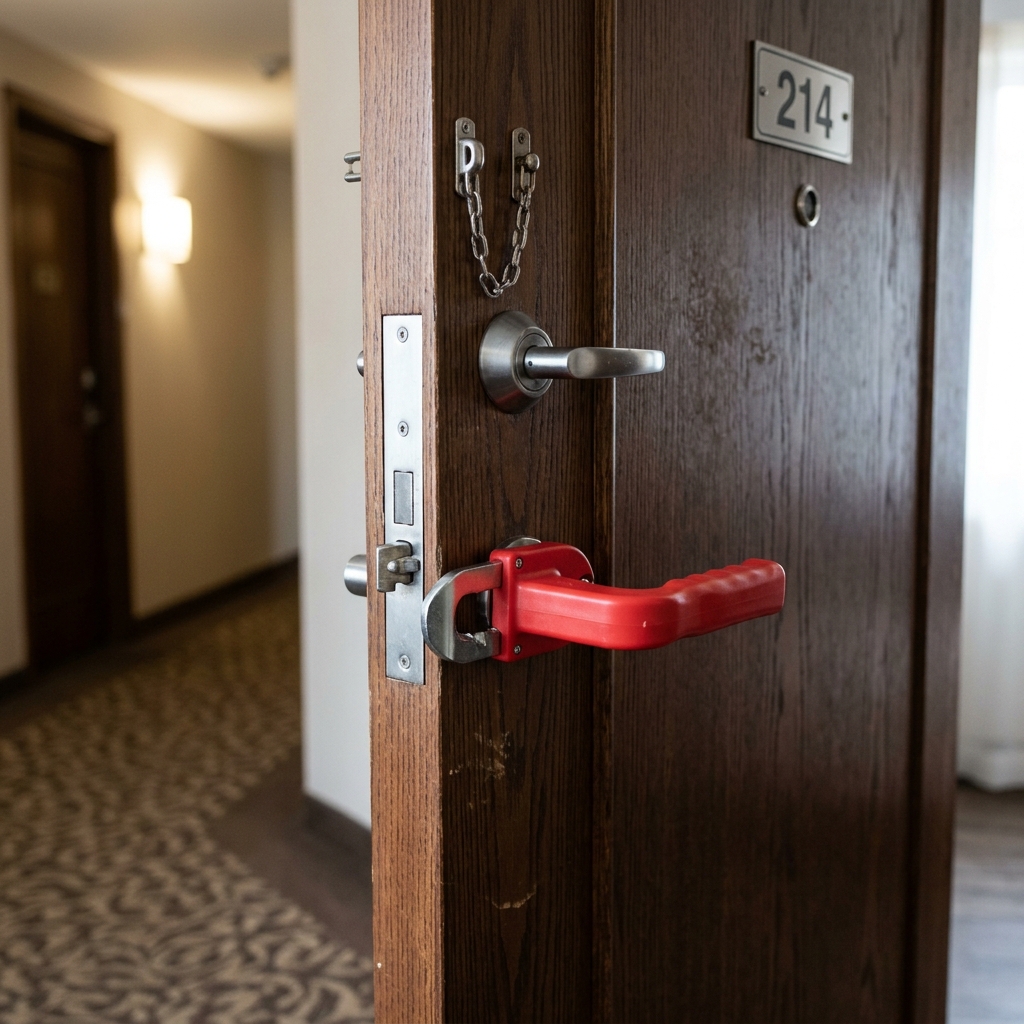
A money belt you will not wear is a second wallet. RFID and door alarms do not replace the advisory. Hardware notes stay on gadgets if you already decided you will use them.
Solo women: solo travel for women. City shortlist: solo destinations. Cheap daily burn: cheapest places. Fare add-ons: budget airlines.
How to read one advisory without a trophy table
Open the country. Note the overall level and the date issued. Then read the exceptions — cities, states, or border strips that sit at a higher level than the headline. Mexico and some other busy destinations are the classic “the map is not the country” pages.
Risk indicator letters (crime, terrorism, unrest, kidnapping, health, detention, disaster) tell you which paragraph to finish. A terrorism letter on a Level 2 European country is not the same job as a kidnapping letter on a Level 3 page. This desk does not flatten them into “safe” or “unsafe.”
Worldwide Caution language on travel.state.gov is a global heads-up. It is not a Level 4 on your city. Read whether it names a region you will enter.
If two countries sit on the ticket (open jaw, land border, long layover), open both pages. A four-hour airside connect is a thinner read than an overnight hotel in the transit city.
UNWTO and other agencies publish arrival totals after the year closes. This desk does not invent a 2026 billion-trip headline or a “safer than driving on Saturday” line. Your risk is the page for the place you will stand.
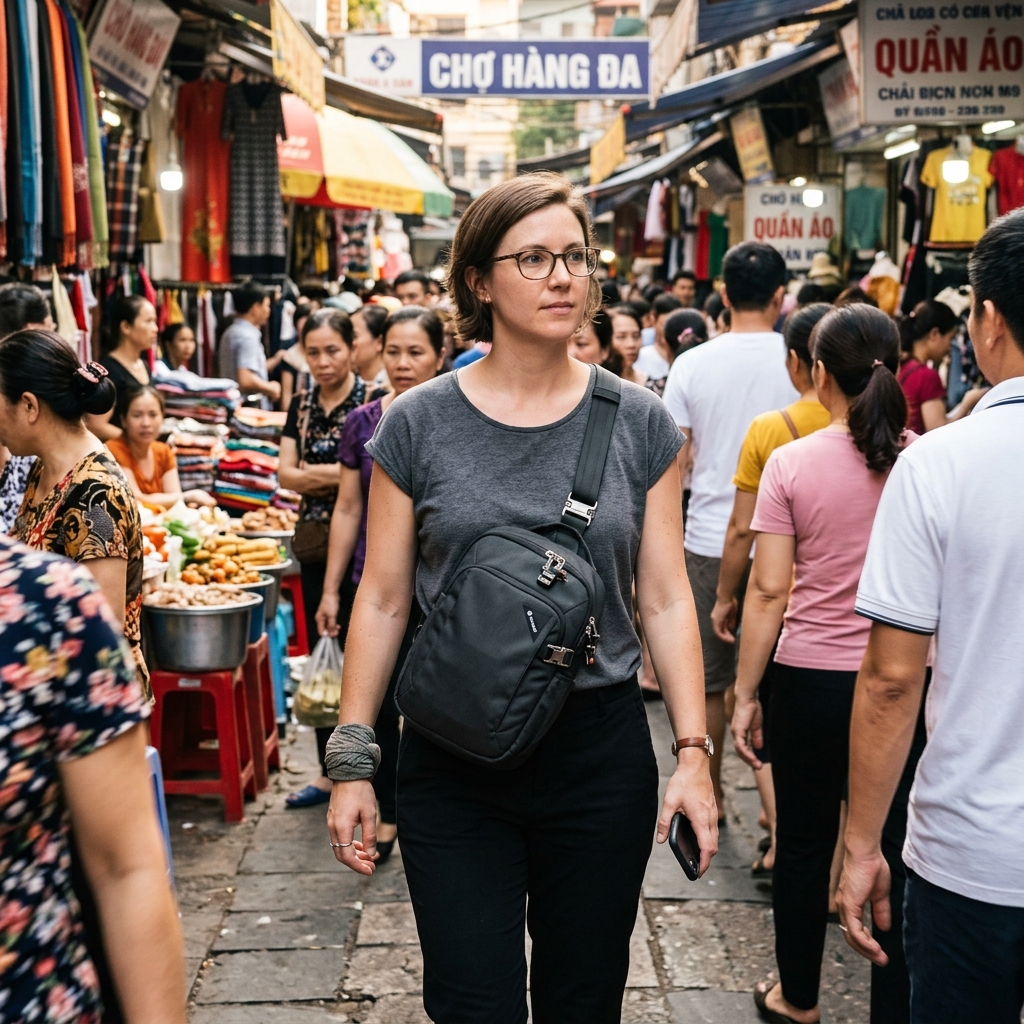
Perceived vs common: State and CDC keep pointing at roads, food, heat, and pickpockets near crowds. Those are unglamorous and they are the usual trip-breakers on Level 1–2 city stays. Seatbelts, bottled or boiled water where the CDC page says so, shade, and a zipped bag do more than a peace-index screenshot.
Apps: travel safety apps. First-timer habits: travel safety tips for first-timers. Longer habit list: travel safety tips.
When to skip this stack
- Advisory and CDC page already open; you needed a packing list or a fare graph.
- Level 4 or an active-conflict page — you do not need an essay. You need a different ticket.
- Domestic trip. This URL is the wrong file.
- Someone else holds the insurance certificate and the embassy numbers; you just need the bag.
Desk checklist the week you fly
- Advisory date is current, not a screenshot from last year
- Regional exceptions read
- CDC notices checked
- STEP on
- Embassy phone offline
- Insurance emergency number offline
- First ride priced
- Two cards, split
Prepared is the honest word. Fearless is marketing. Reckless is a skip.
FAQ
Safest country?
The advisory for your ticket. Not a desk ranking.
Avoid all travel because of conflicts?
Avoid the Level 4 pages. Read the others.
Insurance?
State says buy health cover. Read the certificate.
Related reading
- Best Solo Travel Destinations — transit and first night, not a 10/10 trophy
- Solo Travel for Women — first-night logistics vs the gadget aisle
- Cheapest Places to Travel Internationally — daily burn after the fare
- Best Budget Airlines — total cost vs the base fare
- How to Avoid Travel Scams Abroad — payment vs distraction
- Travel Insurance · Travel Safety Tips for First-Timers
- Flights hub · All guides · Packing-list generator

Editorial Team
The Best Travel Guides editorial crew writes every guide on this site under a team byline. Recommendations come from comparing product specs side by side, digging through traveler communities like r/onebag, r/travel, and r/WaltDisneyWorld, and weighing large volumes of verified user reviews. When we cite prices or policies, we link to the official source.

Join the Conversation